
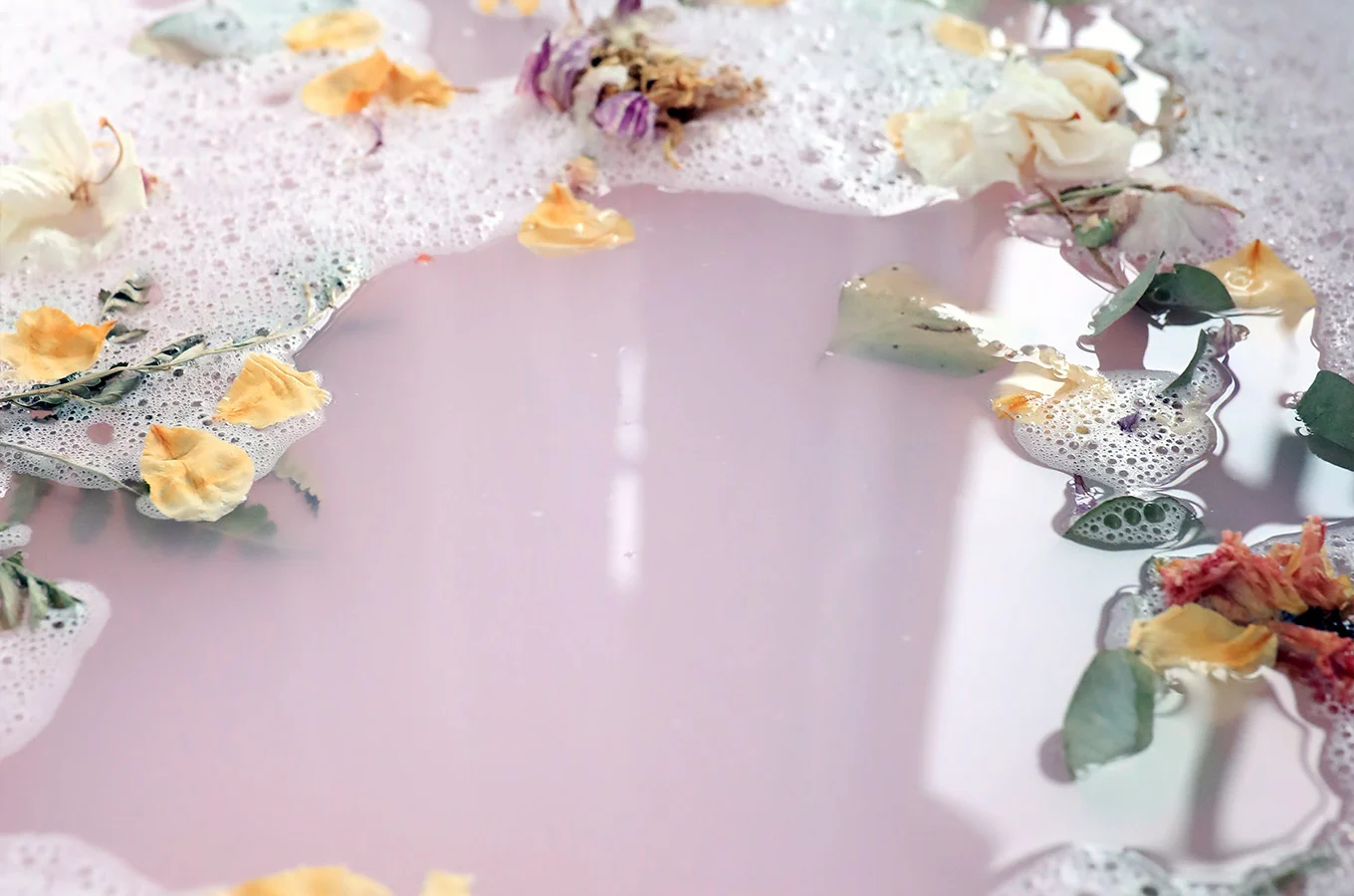
Long before bath bombs and spa menus, people understood water as a threshold. Hindu pilgrims still gather by the millions to bathe in the Ganges, seeking purification in its sacred current. Jewish tradition marks transitions with immersion in the mikvah, and Muslims prepare for prayer through wudu, the ritual washing of hands, face, and feet. In Japan, Shinto practitioners stand beneath icy waterfalls in misogi to cleanse body and spirit, and Christian baptism uses water to mark a new beginning. Across the Americas, the temazcal sweat lodge brings heat, steam, and prayer together as medicine. The Romans built their social lives around public baths. Different faiths, different centuries, one shared knowing: water changes us, and stepping into it with intention changes us more.
We spend so much energy tending to everything outside ourselves: the work, the people we love, the endless list. The body that carries us through all of it usually gets whatever is left over. But self care isn’t an indulgence you earn after the real work is done. It’s what gets you grounded, centered, and in the zone for everything else.
The body holds the spirit.

What caring for the vessel means
Think of your body as the vessel your spirit travels in. A vessel needs tending: rest, nourishment, water, touch, and moments of real stillness. When it’s depleted, everything you pour into your practice leaks out through the cracks.
Caring for the vessel doesn’t have to be expensive. The times when money is tight and stress is high are exactly when you need it most, and exactly when a pricey spa day is out of reach. The good news is that ritual doesn’t come from a price tag. It comes from attention and intention, and you can bring both to something as simple as drawing a bath.
Turning a bath into a ritual
A bath becomes a ritual the moment you decide it means something. These steps give it shape, but trust yourself to adapt them.
- Set your intention. Before the water runs, decide what this bath is for: release, rest, grounding, self-love, clarity. Say it out loud or write it down.
- Prepare the space. Clear the clutter, dim the lights, and light a candle. If you work with smoke, sound, or a favorite stone, bring it in now. The room should feel different from the everyday bathroom.
- Draw the water. Add the salts, herbs, and oils that match your intention as the tub fills. Stir clockwise to draw something in, counterclockwise to let something go.
- Enter mindfully. Step in slowly. Take three deep breaths and let your body register that it has arrived.
- Soak and listen. Visualize, pray, meditate, or simply be. Let the water hold you.
- Release. When you’re ready, pull the plug and stay in the tub while it drains. Picture what you’re letting go of spiraling away with the water.
- Close the ritual. Rinse off, oil or moisturize your skin, drink a glass of water, and jot down anything that came up.
Choosing by intention
| Intention | Salts | Herbs and flowers | Oils | Candle |
|---|---|---|---|---|
| Release | Epsom salt | Rosemary, sage | Lemon, eucalyptus | White or black |
| Grounding | Himalayan pink salt | Vetiver root, cedar tips | Cedarwood, patchouli | Brown or green |
| Self-love | Pink salt | Rose petals, hibiscus | Rose, geranium | Pink |
| Rest | Epsom salt | Lavender, chamomile | Lavender | Blue or purple |
| Clarity | Sea salt | Peppermint, bay leaf | Peppermint, frankincense | Yellow |
Mix essential oils into the salt or a spoonful of carrier oil before adding them to the water, and a few drops is plenty. Loose herbs are easier to clean up when you tie them in a muslin bag.
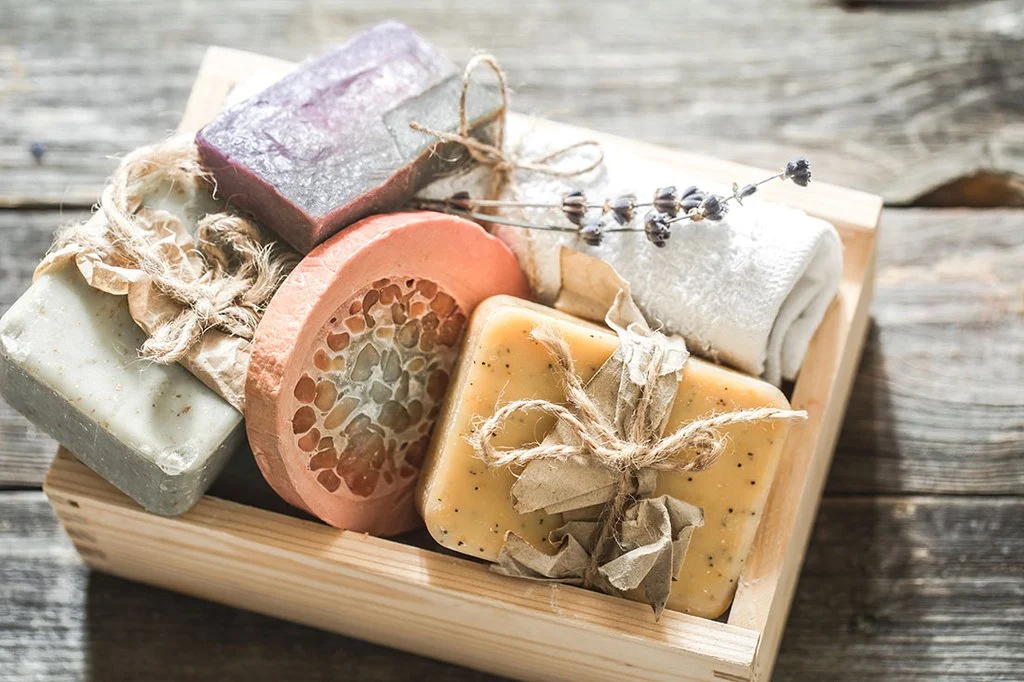
When you want to add something special, take a slow wander through your local farmers market. Handmade soaps and hand-poured candles from local makers carry the care that went into them, and choosing one to match your intention turns a simple purchase into part of the ritual.
From the kitchen cupboard
Some of the best treatments for the vessel are already sitting in your pantry. Make these right before your bath so they’re fresh.
Simplest Super Scrub
Stir together 1/2 cup brown sugar, 1/4 cup olive oil, and 1 teaspoon vanilla extract. Scrub in gentle circles before you settle into the water, then rinse.
Milk and honey soak
Warm 1 cup of milk (whole or powdered) and stir in 1/4 cup honey until it dissolves. Pour it into the tub while the water runs.
Oatmeal and honey mask
Mix 2 tablespoons finely ground oats and 1 tablespoon honey with enough plain yogurt to make a paste. Apply, relax for 10 to 15 minutes, and rinse with warm water.
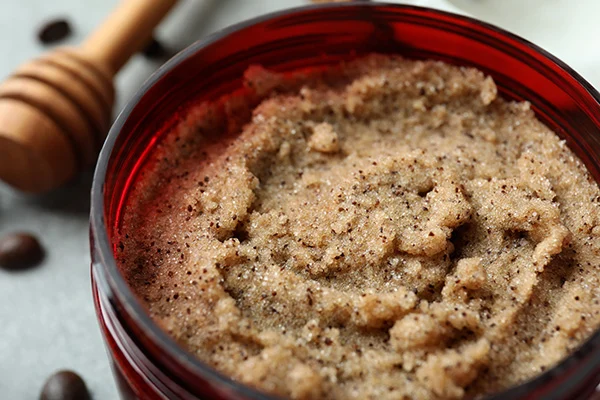
While some of the ingredients may not be shelf staples, I know I can manage the Simplest Super Scrub during the leanest weeks because I always have olive oil, brown sugar and vanilla on hand. If I added to that a home done pedicure I’m pretty sure it would brighten my day. Speaking of which, here’s a tip on homemade mani & pedi’s from the Thrifty Fun website.